

Pharmacogenomics
About the Program
Pharmacogenomics Testing for Personalized Medication Insight
Pharmacogenomics testing helps healthcare providers, health plans, and population health programs understand how a patient’s genetic profile influences medication response, drug metabolism, and treatment outcomes. As part of Advanced Laboratory Services’ diagnostic testing services, our pharmacogenomics (PGx) testing supports safer prescribing, reduces trial-and-error medication changes, and delivers actionable clinical insights that improve clinical outcomes while helping control healthcare costs across patient populations.

Why PGx Matters
Annual impact of adverse drug events (ADEs)
for healthcare providers, health plans, and population health initiatives.
2.2 million
hospital admissions
$1.36 billion
in healthcare costs
4th leading cause of death for Americans
PGx-informed testing programs help healthcare organizations improve outcomes while managing medication-related risk and cost at scale.
Over 50% of people are on a prescription drug that is either ineffective or causes side effects. A study of over 6,000 patients found that ADE’s were reduced by around 30% when certain prescriptions were informed by Pharmacogenomics (PGx) test results.
Average cost savings to health plans from running a PGx-informed comprehensive medication management program:
$218.82 per member per month.
Medication Ineffectiveness Across Patient Populations
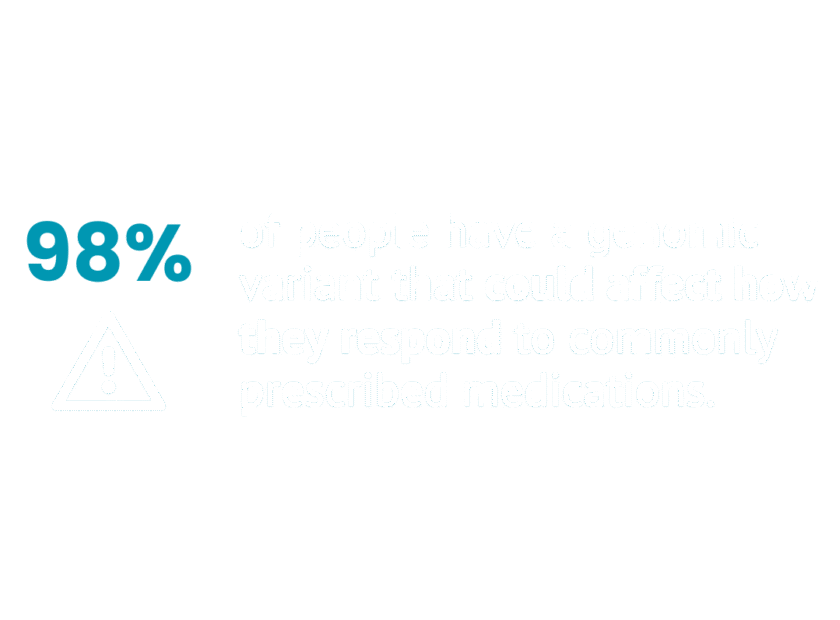
Genetic variation plays a major role in how patients respond to medications, contributing to treatment failure, adverse drug events, and avoidable healthcare costs across population health programs. Pharmacogenomics testing helps identify these risks earlier and supports more informed prescribing decisions.
Cancer medications
Alzheimer’s disease medications
Diabetes medications
Arthritis medications
Asthma medications
anti-depressants (SSRIs)
Pharmacogenomics testing helps identify which medications are most likely to be effective for each patient, reducing trial-and-error prescribing and improving outcomes at scale.
Statistics based on published pharmacogenomics and FDA labeling data.
The AdvancedGx Difference
Claims Data & Analytics for Population Health PGx Programs
AdvancedGx goes beyond traditional pharmacogenomics testing for population health programs by integrating proprietary claims data and analytics into every PGx program. This approach allows us to identify where genetic insights can have the greatest clinical and financial impact across health plan populations.
Our Population Analysis and Risk Ranking tools help determine program fit, prioritize high-risk individuals, and support safer prescribing, fewer adverse drug events, and improved outcomes at scale.

Patient & Provider Communication and Education
Our patient and practitioner outreach in the areas of communication and education is where the AdvancedGx program truly stands apart from other PGx labs. Our dedicated team engages with patients to drive program participation and improve adherence to PGx-guided treatment recommendations.
In addition to full gene-drug reports, our pharmacists create a clear, easy-to-understand, actionable report designed specifically for practitioners, enabling faster review and confident implementation of PGx-guided recommendations.
Ongoing Population Monitoring and Long-Term Outcomes
AdvancedGx supports long-term population health strategies through continuous data analysis and outcome tracking. Our back-end analytics provide retrospective claims data analysis that, when combined with ongoing population monitoring, helps partners identify meaningful change, recognize savings, and drive continual improvement.
Participants in the AdvancedGx program also receive a one-on-one pharmacist consultation to review results and support informed, confident health decisions. Our genes don’t change — AdvancedGx is a health tool for life.
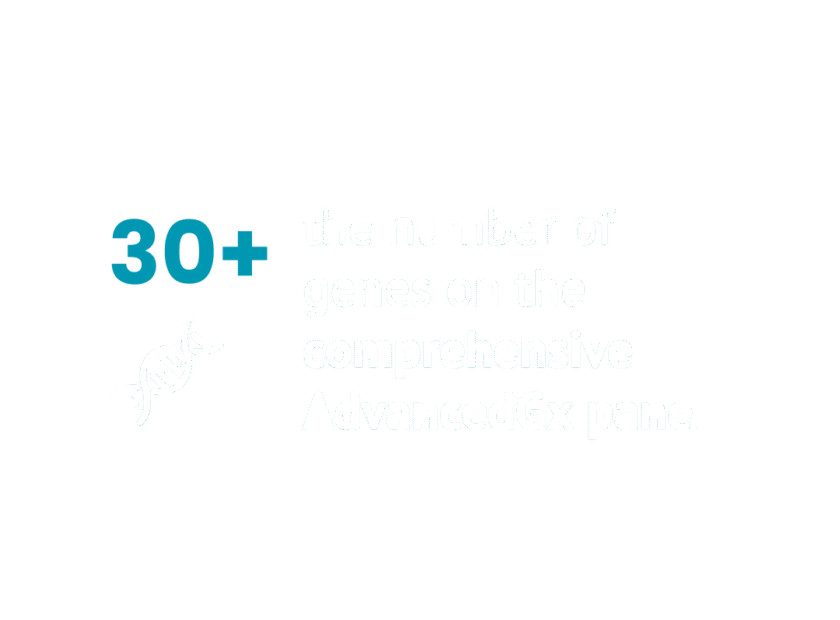
Advanced Lab can also offer custom PGx panel development - contact us to learn more.
Key References
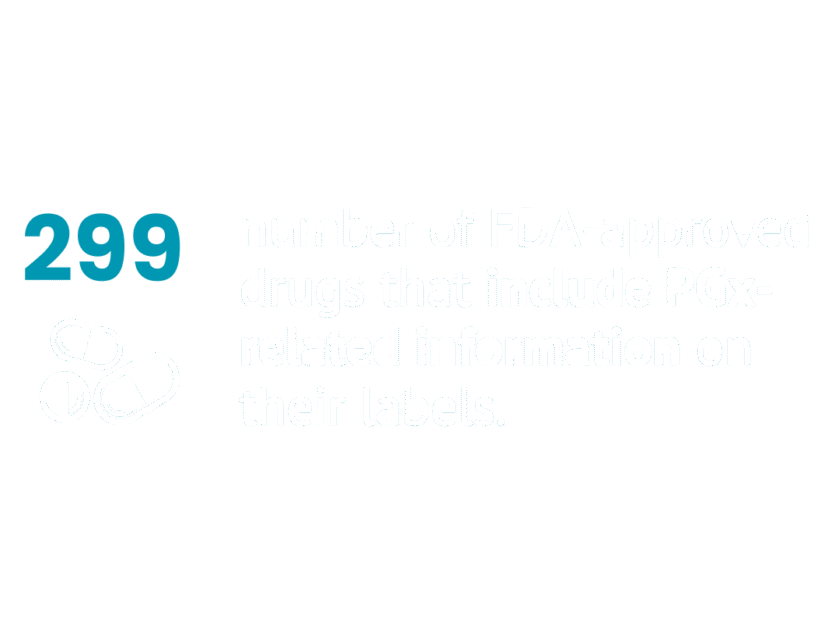
Advanced Laboratory Services provides comprehensive pharmacogenomics testing services designed to support safer prescribing and improved outcomes for healthcare providers and population health programs.
1. Pritchard D, Patel JN, Stephens LE, McLeod HL. Comparison of FDA Table of Pharmacogenetic Associations and Clinical Pharmacogenetics Implementation Consortium guidelines. 2022 Jun 7;79(12):993-1005.
2. American Society for Pharmacovigilance. Pharmacovigilance. Retrieved 2023, from https://fourthcause.org
3. Spear BB, Heath-Chiozzi M, Huff J. Clinical application of pharmacogenetics. Trends Mol Med. 2001 May;7(5):201-4.
4. Swen, J. et al. A 12-gene pharmacogenetic panel to prevent adverse drug reactions: an open-label, multicentre, controlled, cluster-randomized crossover implementation study. The Lancet. 2023 Feb 4; 401(10374):347-356
5. Apted T, Huff A. Pharmacogenomics for improved outcomes and decreased costs in health care. AJMC. December 15, 2023. Accessed January 17, 2024.
6. National Human Genome Research Institute. Pharmacogenomics [Internet]. Bethesda (MD): National Human Genome Research Institute. Available from: https://www.genome.gov/about-genomics/educational-resources/fact-sheets/pharmacogenomics